The Salt Lake Valley is an incredible place to call home, but it’s not without intense, cold winters that produce extra wear and tear on your furnace.
Ignoring your furnace is like driving your car without ever getting an oil change. It will eventually break down, and at the worst possible time. For Salt Lake homeowners proper furnace maintenance isn’t merely a suggestion. It’s an absolute necessity for your safety, comfort, and financial health. A well-maintained furnace will run efficiently, keeping your energy bills manageable and, most importantly, keeping your family safe from carbon monoxide risks. Our comprehensive checklist will provide everything you need to know, from simple DIY tasks to the professional service required for your furnace to sustain a Utah winter.
What Simple DIY Steps Can Homeowners Take to Prepare Their Furnace for Winter?
Homeowners are the first line of defense in maintaining a healthy, efficient furnace. There are several easy, yet vital, tasks you can perform regularly that make a massive difference. These steps improve efficiency, protect your system, and can often be completed in under an hour.
The Most Crucial DIY Furnace Task: Changing the Air Filter
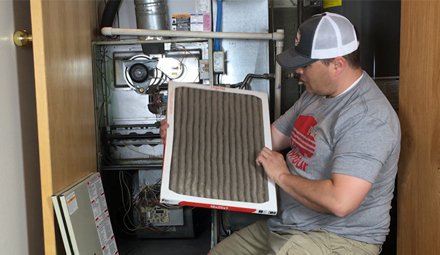
- How often should I change my filter? A dirty air filter is the number one cause of furnace inefficiency and failure. You should inspect your filter monthly and replace it every one to three months, especially during heavy-use in winter. Homes with pets or allergy sufferers may need to change it even more frequently.
- Why is a new filter so important? A clean filter allows your furnace to “breathe” properly. A clogged filter restricts airflow, forcing the blower motor to work harder, which wastes energy, raises your utility costs, and can eventually lead to overheating and system damage.
Optimizing Your Home’s Airflow
- Are your vents clear? Walk through your home and ensure that all air supply and return vents are completely unobstructed. Furniture, rugs, curtains, or anything else blocking a vent forces your furnace to work harder to distribute heat.
- Is the furnace area clean? The area immediately surrounding your furnace unit must be clean and clear of clutter. Dust and debris near the unit can be drawn in, and any flammable materials can pose a serious fire hazard.
- What about the ceiling fan? You can actually use your ceiling fans to help your furnace. Switch the rotation to the clockwise setting. This rotation gently pushes warm air that rises to the ceiling back down toward the living space, improving overall room comfort without touching the thermostat.
Thermostat and Safety Checks
- Is your thermostat programmed correctly? If you have a programmable or smart thermostat, set a schedule that slightly lowers the temperature when you are away or asleep. This simple adjustment can save a significant amount on your monthly energy bill without sacrificing comfort.
- Are your carbon monoxide detectors working? Gas furnaces can pose a carbon monoxide (CO) risk if the heat exchanger is cracked or venting is compromised. Test all CO detectors monthly and replace the batteries annually, or as recommended by the manufacturer. Carbon monoxide is an odorless, colorless gas, therefore a working detector is your family’s most critical safety device.
Why is an Annual Professional Furnace Tune-Up Indispensable in Salt Lake?
While DIY tasks are essential, a furnace is a complex, high-energy appliance that requires an in-depth, professional service once a year. The extreme temperature swings and heavy winter usage in the Salt Lake area make annual maintenance extra important. Skipping a tune-up can lead to small issues escalating into catastrophic, costly breakdowns.
Safety and Carbon Monoxide Prevention
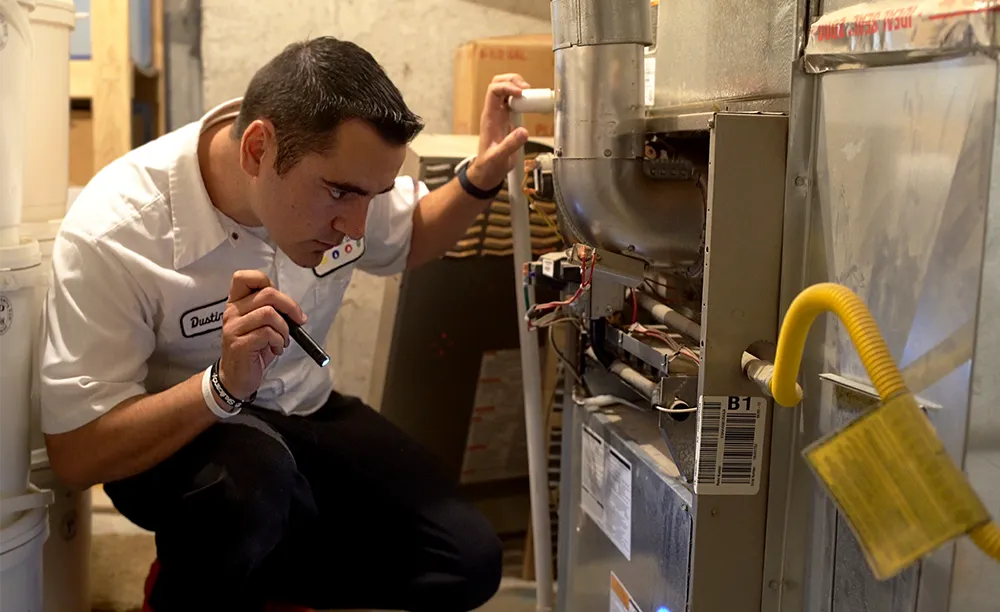
- What is the professional inspection process? Our qualified technician’s first priority is safety. We perform a crucial inspection of the heat exchanger for any cracks or corrosion. Even a tiny crack can allow deadly carbon monoxide to leak into your home.
- Is there a specialized CO test? Our professionals use specialized electronic combustion analyzers to test CO levels and ensure that your furnace is operating safely and efficiently.
Efficiency and Cost Savings
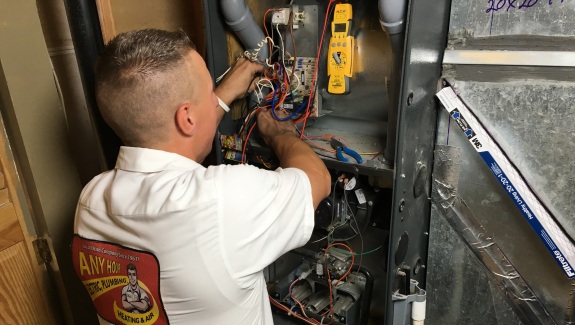
- How does a tune-up save me money? Over time, internal furnace components accumulate dirt, soot, and dust, reducing their efficiency. During a tune-up, our technicians clean your burners, flame sensor, and other internal parts, restoring your furnace to peak efficiency.
- Does lubrication matter? Yes, the moving parts like the blower motor’s bearings need proper lubrication. Unlubricated parts create friction, which wastes electricity and can cause your furnace’s motor to burn out prematurely.
Protecting Your System and Warranty
- How does maintenance prevent major repairs? Our professionals can spot small issues, like a loose wire, a minor gas leak, or a failing component, long before they lead to a complete system breakdown. Catching and fixing these minor problems early saves you from an expensive emergency repair in the dead of winter.
- What about the warranty? Most HVAC manufacturers require proof of annual professional maintenance to keep your warranty valid. Without an annual tune-up receipt, a major repair might not be covered, which could leave you with a massive bill.
What Specific Components Do Professionals Check During a Salt Lake Furnace Inspection?
Our full-service furnace tune-up is a comprehensive process that goes far beyond simply swapping out a filter. Our technicians follow a multi-point checklist to ensure every critical part of your furnace is safe and operating within the manufacturer’s specifications.
Critical Professional Inspection Points
- Heat Exchanger Inspection: The most vital step is a meticulous visual and pressure test of the heat exchanger for cracks or damage that could release carbon monoxide.
- Burner and Ignition System Check: Our technician will clean the burners to ensure a proper, blue flame is achieved for maximum heat output. We also test the ignition system (pilot light or electronic ignition) to verify reliable start-up.
- Blower Assembly Evaluation: This includes inspecting the blower wheel for dirt buildup (which reduces airflow) and measuring the motor’s voltage and amperage draw to detect signs of excessive strain or failure.
- Gas and Electrical Connections: All gas line connections are checked for leaks, and electrical wiring is inspected for corrosion or loose connections that can be a fire hazard.
- Thermostat Calibration: Our technician will verify that the thermostat is accurately reading the temperature and correctly signaling the furnace to turn on and off.
- Vent and Flue System Inspection: The venting system that carries exhaust gases out of your home will be inspected for blockages, leaks, or rust. A blocked flue can cause toxic gases to vent back into your house.
What is the Best Time to Schedule My Furnace Maintenance in the Salt Lake Area?
Timing is everything when it comes to HVAC maintenance, especially with the inevitable cold of a Wasatch Front winter. Scheduling your service during the off-peak season is the best way to ensure your system is ready before you need it most.
Why Is Fall the Ideal Season for Furnace Service?
- Beat the Rush: The perfect time for furnace maintenance is in the early fall, typically September or October. Scheduling then means you avoid the rush that hits service companies when the first unexpected cold snap arrives.
- Guaranteed Readiness: An early tune-up ensures your system is clean, safe, and fully operational before it faces the continuous demand of a Salt Lake winter.
- Immediate Part Availability: If our technician finds a part that needs replacement, having the service done in the fall gives you ample time to the have part sourced and installed before the furnace is needed daily.
Conclusion: Don’t Wait for the Cold to Strike, Act Now!
A reliable, efficient, and safe furnace is the backbone of a comfortable Salt Lake home throughout the cold season. By committing to both simple, regular DIY tasks and an essential annual tune-up, you are making an investment that pays for itself many times over in the form of lower energy bills, a longer system life, and, most importantly, peace of mind.
Don’t let a tiny, preventable issue turn into a major, cold emergency this winter. Trust our experts at Any Hour Electric, Plumbing, Heating & Air to provide the professional maintenance that prepares your system for anything the Salt Lake climate can throw at it.
Call to Action: While we are warming up your furnace, remember that Any Hour Electric, Plumbing, Heating & Air is also your trusted expert for all your home service needs. If you have a leaky faucet, a clogged drain, or any other issue, contact Any Hour Electric, Plumbing, Heating & Air for your expert plumbing repair needs today!
Frequently Asked Questions About Furnace Maintenance
How often should I have my furnace professionally serviced in Salt Lake City?
You should schedule professional furnace maintenance at least once per year. In the Salt Lake area, the best time is during the early fall (September or October), just before the cold weather sets in. This annual service is crucial for safety checks (like carbon monoxide testing), maintaining peak efficiency, and validating your manufacturer’s warranty.
What are the top three things I can do myself to maintain my furnace?
The three most important DIY tasks are: 1) Change your air filter every 1 to 3 months to ensure optimal airflow and prevent system strain; 2) Keep all vents clear of furniture, rugs, and drapes to allow for proper heat distribution; and 3) Test your carbon monoxide detectors monthly, as a gas-burning furnace can pose a CO risk if compromised.
Will furnace maintenance help me save money on my energy bills?
Absolutely. Routine maintenance ensures that your furnace is running at its highest possible efficiency. Our technicians will clean your furnace’s components like the burners and blower, remove dirt, and lubricate it’s parts. This will reduce the energy needed to heat your home, which will lower your monthly utility bills throughout the long Salt Lake winter.
Is a professional tune-up necessary if my furnace seems to be working fine?
Yes, professional maintenance is necessary even if your furnace appears to be functioning normally. Many critical, and potentially dangerous, issues are not visible to the untrained eye. For example, an undetectable crack in the heat exchanger could be leaking deadly carbon monoxide. A professional inspection guarantees that the unit is operating safely and prevents small, hidden problems from turning into catastrophic and expensive breakdowns.